
The Queen of the Night Flower (Epiphyllum oxypetalum) The Queen of the Night flower, scientifically known as Epiphyllum oxypetalum, is one of the most fascinating and unique ornamental plants in the world. This tropical cactus species is famous for its large, elegant white flowers that bloom only at night and usually close before sunrise. The flower has a beautiful appearance and a strong, sweet fragrance that attracts nighttime pollinators such as moths. It is commonly grown as a decorative indoor plant because of its unusual blooming habit and attractive green leaves.
The Queen of the Night prefers bright but indirect light, warm temperatures, and well-drained soil. Although the blooming period is very short, its rare and magical appearance makes it highly valued among plant lovers and collectors. This extraordinary flower is often associated with beauty, mystery, and natural elegance.
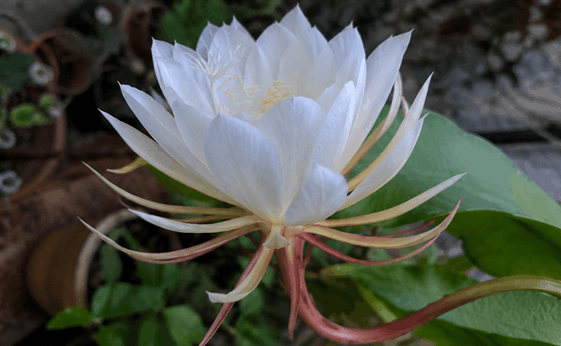
What are 3 interesting facts about the Queen of the Night flower; The Queen of the Night flower blooms only at night and usually fades by morning, making its flowering period very short and rare to witness.It releases a strong, sweet fragrance during the night to attract pollinators such as moths. It is often grown as an ornamental plant because of its dramatic, large white flowers and its mysterious blooming behavior.
- It Blooms Only at Night
The Queen of the Night flower is famous for its rare blooming habit. Its large, beautiful flowers usually open during the night and begin to close by the early morning. This unique feature makes it one of the most fascinating flowering plants in the world. - It Has a Strong and Attractive Fragrance
When the Queen of the Night flower blooms, it releases a powerful and pleasant scent to attract nighttime pollinators such as moths. The fragrance helps the flower stand out in the darkness and increases the chance of pollination. - Its Blooming Is a Rare Event
The Queen of the Night flower does not bloom frequently, and each flower may last only a few hours. Because of this short blooming period, people often wait patiently to witness this special natural event, making it a highly admired ornamental plant.
Queen of the Night (Epiphyllum oxypetalum) – Growing Conditions and Care The Queen of the Night is a tropical cactus species that grows naturally in warm, humid forest environments. In nature, it is usually found in rainforests where it grows on trees or rocks as an epiphytic plant, receiving filtered sunlight rather than direct sun. Because of this, it is well suited for indoor environments such as homes, greenhouses, balconies, and shaded garden areas.
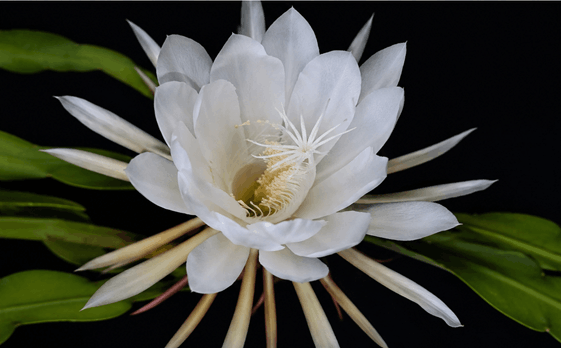
Where it grows best
- Bright but indirect light (not direct harsh sunlight)
- Warm temperatures (ideally 18–28°C)
- Humid environments such as bathrooms, greenhouses, or shaded patios
- Well-ventilated indoor spaces with filtered light
Care instructions
- Watering: Keep the soil lightly moist during growing season, but avoid overwatering. The roots are sensitive to rot.
- Soil: Use well-draining soil, preferably cactus or orchid mix with organic matter.
- Light: Too much direct sun can burn the leaves; too little light reduces flowering.
- Temperature: Protect from cold; it cannot tolerate frost.
- Fertilizer: Feed lightly during spring and summer with a balanced liquid fertilizer.
- Pruning: Remove weak or damaged stems to encourage healthy growth.
Extra note
This plant is famous for its rare night blooming flowers that open for only a few hours, making it a highly valued ornamental plant among collectors.
Why does the Queen of the Night only bloom at night?
The Queen of the Night (Epiphyllum oxypetalum) blooms at night because it is adapted to attract nocturnal pollinators such as moths and bats. Opening its large, fragrant flowers after sunset helps it stand out in the dark using strong scent rather than color. During the day, heat and sunlight could quickly damage its delicate petals, so blooming at night also helps conserve moisture and protect the flower. The bloom usually lasts only a single night, ensuring pollination happens quickly and efficiently before it wilts by morning.
Queen of Night Flowers (Epiphyllum oxypetalum) is sold here.
Epiphyllum oxypetalum