
California is a leading producer of table grapes, which are grapes specifically grown and consumed fresh, rather than being used for wine production or drying into raisins. The state’s climate and growing conditions are well-suited for cultivating high-quality table grapes. Grapes are grown in various regions throughout California, which is known for its diverse and extensive wine industry. Some prominent grape-growing regions in California include:
- Napa Valley: Located north of San Francisco, Napa Valley is renowned for producing high-quality wines, particularly Cabernet Sauvignon. It has a Mediterranean climate and is known for its scenic vineyards and wineries.
- Sonoma County: Adjacent to Napa Valley, Sonoma County is another renowned wine region in California. It produces a wide range of grape varietals, including Chardonnay, Pinot Noir, and Zinfandel, among others.
- Central Coast: The Central Coast region encompasses areas like Paso Robles, Santa Barbara County, and Monterey County. It is known for its cool coastal climate, which is suitable for growing grapes like Pinot Noir and Chardonnay. It is also becoming recognized for Rhône varietals and other red wine grapes.
- Central Valley: Located in the heart of California, the Central Valley is a major agricultural region that includes areas such as Fresno, Modesto, and Bakersfield. It has a warmer climate and is known for producing a large portion of California’s table grapes, raisins, and grape concentrates.
- Sierra Foothills: Situated in the foothills of the Sierra Nevada mountain range, this region is known for its diverse microclimates and vineyards at higher elevations. It produces a range of grape varietals, including Zinfandel, Barbera, and Syrah.
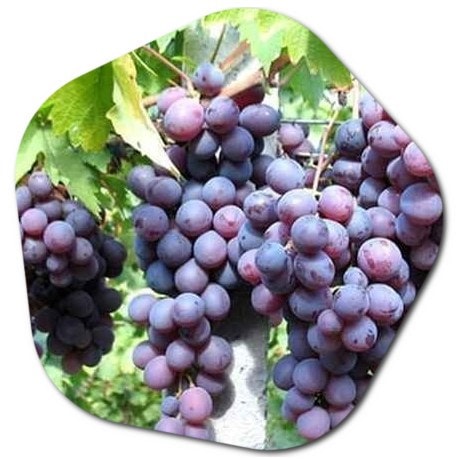
These are just a few examples of the many grape-growing regions in California. Each region has its unique climate, soil conditions, and grape varieties that contribute to the diverse and thriving wine industry of the state.
Why do grapes grow well in California?
Grapes grow well in California due to a combination of favorable natural factors, including climate, geography, and soil conditions. Here are some key reasons why California is an ideal region for grape cultivation:
- Climate: California’s climate is diverse and generally favorable for grape growing. The state experiences a Mediterranean climate in many regions, characterized by warm, dry summers and mild, wet winters. This climate provides the ideal conditions for grapes to ripen and develop their flavors.
- Sunshine: California receives ample sunshine throughout the year, which is crucial for grapevine growth and photosynthesis. Sunlight helps grapes reach optimal sugar levels and develop their distinct flavors and aromas.
- Varied Microclimates: California’s diverse geography and topography give rise to numerous microclimates within the state. From the cooler coastal regions to the warmer inland valleys, these microclimates offer different growing conditions that are suited to various grape varietals. This diversity allows for a wide range of wine grape cultivation.
- Soils: California has a variety of soils that are well-suited for grape cultivation. The different soil compositions, such as well-drained sandy soils, volcanic soils, and clay-loam soils, provide various nutrient profiles and water retention capabilities that contribute to the quality and characteristics of the grapes.
- Water Availability: While water availability can be a challenge in certain regions of California, the presence of water resources, including rivers, reservoirs, and underground aquifers, supports irrigation systems that sustain grapevines, particularly during dry periods.
- Experience and Expertise: California has a long history of grape cultivation and winemaking. Over the years, the region has developed expertise in vineyard management and winemaking techniques, allowing growers to leverage their knowledge and experience to produce high-quality grapes and wines.
- Market Demand: California wines have gained international recognition, making the state a leading producer of wine in the United States. The market demand and the presence of established wineries and vineyards have contributed to the growth and success of the grape industry in California.
These factors, combined with the passion and dedication of California’s grape growers and winemakers, have made the state a renowned and respected wine-producing region.
Which grape varieties grow in California?
California is known for its wide range of grape varieties grown throughout the state. Here are some of the prominent grape varieties cultivated in California:
- Cabernet Sauvignon: Cabernet Sauvignon is one of the most widely planted red grape varieties in California. It thrives in regions like Napa Valley and Sonoma County, producing full-bodied, rich, and age-worthy wines.
- Chardonnay: Chardonnay is a popular white grape variety grown across California. It is cultivated in regions like Napa Valley, Sonoma County, and Santa Barbara County, producing a range of styles from crisp and unoaked to rich and buttery.
- Pinot Noir: Pinot Noir is grown in various regions, including Sonoma County, Russian River Valley, and Santa Barbara County. These areas offer cool-climate conditions that suit the delicate and finicky Pinot Noir grape, resulting in elegant and complex wines.
- Zinfandel: Zinfandel is considered a California specialty and is grown primarily in regions like Sonoma County, Paso Robles, and Lodi. It produces robust, fruit-forward red wines, including both rich and spicy styles.
- Merlot: Merlot is a widely planted red grape variety in California, particularly in regions like Napa Valley and Sonoma County. It is often used as a blending grape and also produced as a varietal wine, displaying flavors of black cherry, plum, and chocolate.
- Syrah/Shiraz: Syrah/Shiraz is grown in various regions of California, including Central Coast, Paso Robles, and Santa Barbara County. It yields bold, spicy, and full-bodied red wines.
- Sauvignon Blanc: Sauvignon Blanc is cultivated in regions like Napa Valley, Sonoma County, and Lake County. It produces crisp, aromatic white wines with flavors ranging from citrus and tropical fruits to herbal notes.
- Petite Sirah: Petite Sirah is grown in regions like Napa Valley and Lodi. It produces robust, deeply colored wines with bold tannins and flavors of dark berries.
These are just a few examples of the grape varieties grown in California. Other notable varieties include Grenache, Viognier, Riesling, Cabernet Franc, and many more. California’s diverse climate and varied growing regions allow for a wide range of grape varieties to thrive and contribute to the state’s vibrant wine industry. How much water does it take to grow grapes in California? >>
What is made from grapes in California?
California’s grape industry produces a wide array of products, with wine being the most prominent and well-known. However, grapes are also used in various other products in the state. Here are some of the main products made from grapes in California:
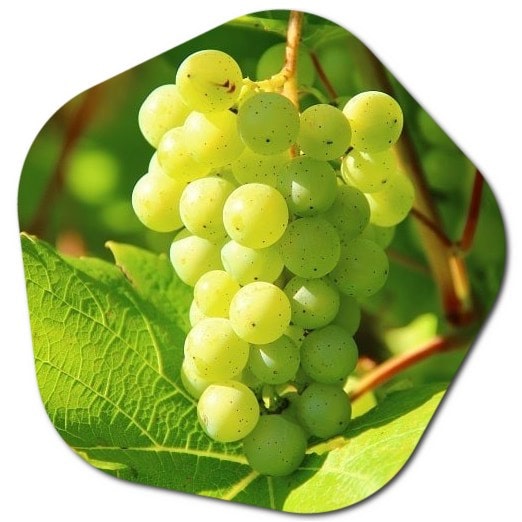
Wine: California is renowned for its wine production. The state produces a vast range of wines, including red, white, rosé, sparkling, and dessert wines. California’s wine regions, such as Napa Valley, Sonoma County, and Paso Robles, are recognized globally for their high-quality wines.
Grape Juice: Grapes are also used to produce grape juice, both for direct consumption and as an ingredient in various food products. California is a significant producer of grape juice, offering a wide selection of options, including pure grape juice and grape juice blends.
Raisins: California is a major producer of raisins, particularly from the Thompson Seedless grape variety. Raisins are dried grapes and are commonly used as a snack, in baked goods, or as a topping for cereals and salads.
Table Grapes: California is a leading producer of table grapes, which are grapes consumed fresh rather than being used for wine or drying. Varieties such as Thompson Seedless, Flame Seedless, and Crimson Seedless are grown extensively and enjoyed as a healthy and refreshing snack.
Grape Concentrates: Grape concentrates are produced by reducing grape juice to a thick syrup through evaporation. These concentrates are commonly used as an ingredient in beverages, jams, jellies, and other food products.
Grape Seed Oil: Grape seed oil is derived from the seeds of grapes. It is used in culinary applications, such as cooking, frying, and salad dressings, due to its neutral flavor and high smoke point.
Additionally, grapes and grape byproducts may be used in the production of vinegar, grape seed extracts and supplements, cosmetic and skincare products, and other specialized products.
California’s grape industry encompasses a wide range of products that cater to various tastes, preferences, and market demands, making it a vital and diverse sector within the state’s agricultural landscape.
Where did California grapes come from?
The cultivation of grapes in California traces its roots back to the Spanish colonization of the region in the late 18th century. The credit for introducing the first vineyards in California goes to the Spanish missionaries who established missions along the California coast.
In 1769, Franciscan friar Junípero Serra founded the Mission San Diego de Alcalá, marking the beginning of the mission system in California. The Spanish missionaries recognized the suitability of the region’s climate and soil for grape cultivation, and they brought grapevines with them to use in sacramental wine production for religious purposes.
Over the following decades, a series of 21 missions were established along the El Camino Real (The Royal Road), stretching from San Diego to Sonoma. Each mission had its vineyard, where grapevines were cultivated, and wine was produced for sacraments and sustenance.
After Mexico gained independence from Spain in 1821, secularization policies led to the decline of the mission system. However, some vineyards survived under private ownership, and grape cultivation continued.
The California Gold Rush in the mid-19th century brought an influx of settlers to the state, including those with European winemaking traditions. Immigrants from wine-producing regions, such as Italy, France, and Germany, brought their grapevine cuttings and winemaking expertise, further contributing to the development of the California wine industry.
The modern era of California winemaking began in the late 19th century when pioneers like Charles Krug, Agoston Haraszthy, and Gustave Niebaum established wineries and vineyards in the Napa Valley and other regions.
Since then, the California wine industry has continued to grow and evolve, with significant contributions from generations of grape growers, winemakers, and industry innovators. Today, California is recognized as one of the world’s premier wine regions, producing a wide range of grape varieties and styles of wine.
What are the table grape varieties in California?
California is a leading producer of table grapes, which are grapes specifically grown and consumed fresh, rather than being used for wine production or drying into raisins. The state’s climate and growing conditions are well-suited for cultivating high-quality table grapes. Some notable regions in California for table grape production include:
- San Joaquin Valley: The San Joaquin Valley, located in the central part of California, is the primary table grape growing region in the state. It stretches from Bakersfield in the south to Stockton in the north and includes areas like Fresno, Delano, and Visalia. The warm, dry climate and fertile soils of the valley create favorable conditions for growing a variety of table grape varieties.
- Coachella Valley: Situated in the southeastern part of California, the Coachella Valley is known for its hot desert climate. It is a significant table grape-growing region, especially during the early part of the season when grapes are harvested and shipped in the late spring and early summer.
- Central Coast: The Central Coast region, including areas like Santa Barbara County and San Luis Obispo County, also contributes to table grape production in California. The coastal influences and cooler climate in these regions allow for the cultivation of table grape varieties that thrive in milder conditions.
California table grape growers cultivate a diverse range of grape varieties to meet consumer preferences. Some of the popular table grape varieties grown in California include:
- Thompson Seedless: This variety is known for its green, seedless grapes and is widely grown in California. It is commonly used for both fresh consumption and drying into raisins.
- Flame Seedless: Flame Seedless grapes are large, red seedless grapes with a sweet flavor. They are popular for snacking and often enjoyed during the summer months.
- Crimson Seedless: Crimson Seedless grapes are medium to large in size and have a crisp texture with a sweet and tangy taste. They are known for their deep red color and are favored for fresh consumption.
- Autumn Royal: Autumn Royal grapes are known for their large, black berries with a sweet flavor. They are typically harvested in the fall and are a late-season variety.
- Sugraone: Sugraone grapes are green, seedless grapes with a crunchy texture and a sweet, mild flavor. They are popular for their versatility in various culinary applications.
These are just a few examples of the many table grape varieties grown in California. The state’s table grape industry emphasizes quality, freshness, and a diverse selection to meet the demands of domestic and international markets. Californian grapes >>