
Approximately 36% of Spain’s land area is covered by forests. However, it’s important to note that forest coverage can vary across different regions within the country. Forested areas are found in various parts of Spain, including the Pyrenees, Cantabrian Mountains, Sierra Nevada, and other mountainous regions. These forests contribute to Spain’s biodiversity, provide habitat for wildlife, support the timber industry, and offer recreational opportunities. It’s worth mentioning that the forest coverage in Spain may have changed since my last update, so it’s advisable to refer to recent sources or official data for the most accurate and up-to-date information.
Does Spain have a lot of trees?
Spain is known for its diverse landscapes, and trees are a prominent feature throughout the country. While Spain does have substantial forested areas, the density and abundance of trees can vary across different regions due to variations in climate, topography, and land use. Forested areas are particularly prominent in northern Spain, including regions like Galicia, Asturias, Cantabria, and the Basque Country, where the climate is generally more humid and favorable for tree growth.
In these northern regions, dense forests of oak, beech, chestnut, and other tree species can be found. The Pyrenees, Sierra Nevada, and other mountainous areas also have extensive tree cover. Pine forests, such as those with Aleppo pine and stone pine, are prevalent in certain parts of central and eastern Spain.
However, in arid and semi-arid regions of southern and central Spain, such as Andalusia, Castilla-La Mancha, and parts of Catalonia, the landscape is more characteristic of scrubland, grassland, and shrub vegetation. These areas may have fewer trees compared to the northern regions.
Additionally, Spain has a mix of cultivated landscapes, including vineyards, olive groves, and citrus orchards, which may not have extensive tree cover but still contribute to the country’s agricultural productivity.
Overall, while Spain may not have a uniformly high density of trees across the entire country, it does have significant forested areas and a diverse range of tree species, contributing to its natural beauty and ecological value.
Trees from the forests of Spain
The forests of Spain are home to a wide variety of tree species, each with its own unique characteristics and ecological significance. Here are some notable tree species found in the forests of Spain:
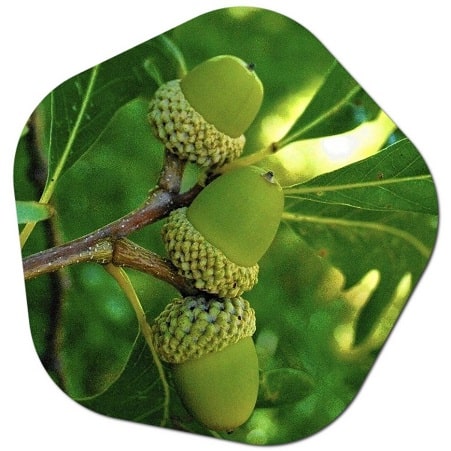
- Holm Oak (Quercus ilex): Holm oak is a dominant tree species in the Mediterranean forests of Spain. It has evergreen leaves and provides habitat for various wildlife species.
- Cork Oak (Quercus suber): Cork oak trees are mainly found in southwestern Spain. They are known for their thick cork bark, which is harvested for various applications, including cork production.
- Scots Pine (Pinus sylvestris): Scots pine is a coniferous tree species that is common in the Pyrenees and other mountainous areas of Spain. It is valued for its timber and plays an essential role in forest ecosystems.
- Pyrenean Oak (Quercus pyrenaica): Pyrenean oak is a deciduous tree species found in the Pyrenees and other mountain regions of northern Spain. It provides food and habitat for numerous wildlife species.
- Beech (Fagus sylvatica): Beech trees are prevalent in the northern forests of Spain, particularly in regions like Asturias and Cantabria. They are known for their distinctive smooth bark and provide shade and habitat for forest-dwelling animals.
- Chestnut (Castanea sativa): Chestnut trees are cultivated in various parts of Spain, particularly in the north. They provide edible nuts and have cultural significance, especially during traditional festivals.
- Stone Pine (Pinus pinea): Stone pine is a coniferous tree species that thrives in the Mediterranean climate of Spain. It is known for its umbrella-like canopy and the edible pine nuts it produces.
- Aleppo Pine (Pinus halepensis): Aleppo pine is another coniferous tree species commonly found in Spain, particularly in the arid and semi-arid regions of the country. It is adapted to drought conditions and helps stabilize the soil.
- Silver Fir (Abies alba): Silver fir is a tall evergreen tree species found in the Pyrenees and other mountainous areas of northern Spain. It is valued for its high-quality timber and its role in maintaining forest ecosystems.
- European Ash (Fraxinus excelsior): European ash trees can be found in various parts of Spain. They are deciduous trees known for their elegant form and are often found along riverbanks and in wetland areas.
These are just a few examples of the tree species found in the forests of Spain. The country’s forests support a diverse range of flora and fauna, contribute to ecosystem health, and provide valuable resources and recreational opportunities.