
Latin: Chaenomeles (Cydonia) Family: Rosaceae Origin: East Asia Description: Single, in groups or fenced in parks and gardens It is used very often as a plant, can be up to 3 m tall, It is a densely branched, widespread and stunted shrub type. branches top of spiny, egg- or oval-shaped leaves The surface is glossy dark green, the underside is light colored, hairless and the stem is is short. A few of the flowers together in a bouquet, It changes color from dark red to white. Early flower before leafing in March-April in spring opens. It looks like an edible little quince and is yellow green in color, It has fragrant fruits. In addition, abroad It is also used in flower arrangements.
Can you eat Japanese quince fruit? Is Japanese quince poisonous?
Light Requirement: It is a light-half shade plant. sunny environments prefers. Temperature Requirement: It can be grown in temperate and cool climates. It is resistant up to 25 degrees. Soil Requirement: It easily adapts to all kinds of soil. Irrigation: Irrigation time and amount of water depend on environmental conditions and varies according to soil structure. Pruning: To give a special form to the pruning and to produce abundant flowers. after the flowering or flowering period has ended should be done immediately. Production: It can be produced by seed, dipping, cutting and grafting. Diseases and Pests: Black spot, aphids and mites is seen very often.
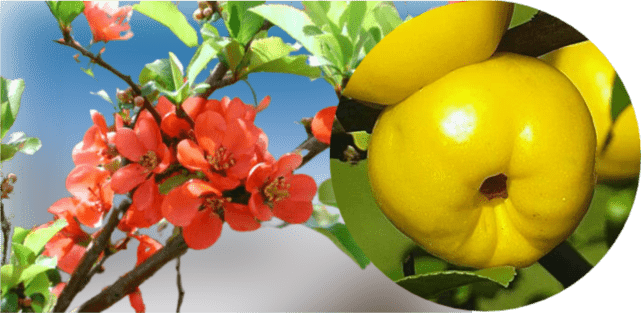
Japanese Quince Harvest time and shape: fruits are collected in autumn. It is stored in cool dry warehouses. Japanese Quince Drying method: not dried. Japanese Quince Usage: It is eaten like a fruit, boiled and drunk. It joins compotes. Japanese Quince Healing: Diarrhea reliever, constipating. Japanese Quince Toxicity: none. Japanese Quince Habitat: It is grown as an ornamental plant for its spectacular flowers that open very early in parks and gardens.
The most important species of Japanese quince is Chaenomeles Speciosa, which is invasive.