
Clove trees (Syzygium aromaticum) are tropical plants native to Indonesia, and they have specific growing requirements. While they can be challenging to grow in the United States due to their tropical nature, it is possible to cultivate them in certain regions with suitable conditions. Here are some considerations: Climate: Clove trees require a warm and humid tropical climate to thrive. They prefer temperatures between 70 to 90°F (21 to 32°C) and high humidity. They are typically grown in USDA hardiness zones 10-11, which include southern Florida, southern Texas, and parts of southern California.
Soil: Clove trees prefer well-draining, fertile, and slightly acidic soil with a pH range of 5.5 to 6.5. They do best in loamy or sandy soils that retain moisture without becoming waterlogged.
Sunlight: Clove trees thrive in full sun to partial shade. They require at least six hours of direct sunlight per day for optimal growth and flowering.
Cultivation: Clove trees are typically propagated from seeds or cuttings. Starting from seeds can be a lengthy process, as it may take several years for the tree to reach maturity and start producing cloves. Cuttings tend to offer faster results. Young clove trees require regular watering and protection from strong winds.
Challenges: Growing cloves in the United States may pose challenges due to the difference in climate and the tree’s specific requirements. Cold temperatures, frost, and prolonged periods of low humidity can negatively affect their growth and survival.
If you are interested in growing cloves in the United States, it is essential to create a suitable microclimate for them and provide the necessary care to mimic their native tropical environment. Consulting with local horticultural experts or contacting your local agricultural extension service can provide region-specific advice and guidance for successfully cultivating cloves in your area.
Can you grow carnations in pots in America?
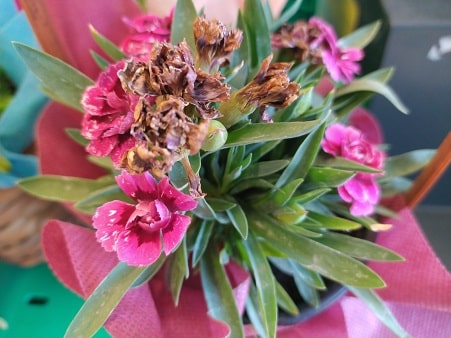
Yes, carnations (Dianthus caryophyllus) can be grown in pots in America. Growing carnations in containers allows for greater control over their growing conditions and provides flexibility in terms of placement and mobility. Here are some tips for successfully growing carnations in pots:
- Pot Selection: Choose a pot or container that is at least 6-8 inches deep with adequate drainage holes to prevent waterlogging. A wider pot will allow for better root development and plant stability.
- Soil: Use a well-draining potting mix formulated for flowers or a blend of equal parts potting soil, perlite, and compost. Carnations prefer slightly alkaline to neutral soil with a pH range of 6.5 to 7.0.
- Location: Place the pots in a location that receives full sun to partial shade. Carnations thrive in bright sunlight, so aim for at least 6 hours of direct sunlight per day.
- Watering: Keep the soil evenly moist but not waterlogged. Water the plants when the top inch of soil feels dry, and avoid letting the soil dry out completely. Water deeply and allow excess water to drain from the bottom of the pot.
- Fertilization: Feed the carnations with a balanced, water-soluble fertilizer every 2-3 weeks during the growing season. Follow the instructions on the fertilizer package for the correct dosage.
- Pinching and Deadheading: Pinch back the growing tips of the carnation plants when they reach about 4-6 inches in height. This encourages branching and leads to more compact and bushy growth. Deadhead spent flowers regularly to promote continuous blooming.
- Overwintering: In areas with cold winters, carnations in pots may need protection from freezing temperatures. Move the pots to a protected location or use insulating materials around the containers during extreme cold spells.
Carnations are generally considered perennial plants, so with proper care, they can continue to grow and bloom in pots for several years. Regular monitoring for pests, such as aphids or spider mites, is also important, and appropriate measures should be taken if an infestation occurs.
Remember to adjust care practices based on the specific needs of the carnation variety you are growing. Consulting with local nurseries or horticultural experts can provide additional guidance tailored to your specific region and growing conditions. Do you have carnations in America? >>
Where does carnation grow in America?
Carnations (Dianthus caryophyllus) can be grown in various regions of the United States, depending on the specific climate and growing conditions. With proper care and suitable environments, carnations can thrive in both outdoor gardens and indoor settings. Here are some general guidelines on where carnations can grow in America:
- Southern States: Carnations generally perform well in the southern states of the United States, where the climate is relatively warm and mild. States such as Texas, Louisiana, Mississippi, Alabama, Georgia, Florida, South Carolina, and North Carolina provide favorable conditions for growing carnations.
- West Coast: Carnations can also be successfully grown along the West Coast, particularly in California, Oregon, and Washington. The moderate coastal climate and relatively mild winters in these states make them suitable for cultivating carnations.
- Midwest and Great Lakes Region: In the Midwest and Great Lakes region, including states like Illinois, Indiana, Ohio, Michigan, and Wisconsin, carnations can be grown as well. However, it’s important to note that these areas often experience colder winters, so protection may be required during the colder months.
- Northeast and Mid-Atlantic: Carnations can be cultivated in the Northeastern and Mid-Atlantic states, including New York, Pennsylvania, New Jersey, Connecticut, Massachusetts, Rhode Island, and Maryland. The milder coastal regions of these states are particularly well-suited for carnations.
It’s worth mentioning that the specific adaptability of carnations may vary within each state due to different microclimates and local conditions. Some varieties of carnations may perform better in certain regions compared to others. It is always recommended to choose cultivars that are well-suited to your specific climate zone and growing conditions.
When planning to grow carnations, consider factors such as temperature, sunlight exposure, soil type, and drainage. Consult with local nurseries, garden centers, or horticultural experts in your area for more specific guidance on suitable carnation varieties and care practices for your particular region.