
There are several fruits that can be safely consumed from the forest. Here are some examples:
- Berries: Various types of berries grow in forests and are edible, such as strawberries, raspberries, blackberries, blueberries, and cranberries. These fruits are often rich in antioxidants, vitamins, and fiber.
- Wild Apples: Some wild apple trees can be found in forests, and their fruits are safe to eat. They may have a different taste and appearance compared to cultivated apples.
- Wild Pears: Similar to wild apples, there are wild pear trees in forests that produce edible fruits. These wild pears may have a more rugged texture and different flavors compared to cultivated varieties.
- Cherries: Some wild cherry trees bear small, flavorful cherries that can be consumed. They may differ from cultivated cherries in size and taste.
- Plums: Wild plum trees are found in certain forested areas, and their fruits can be enjoyed. They may have a slightly different flavor profile compared to cultivated plums.
- Elderberries: Elderberry bushes grow in forests and produce small, dark berries. These berries are often used to make syrups, jams, or used in cooking, as they have a tart flavor.
It’s important to note that while many forest fruits are safe to eat, it’s essential to correctly identify them and ensure they are free from contamination. Some wild fruits may have toxic look-alikes, so it’s crucial to have proper knowledge or consult with local experts before consuming any wild fruits.
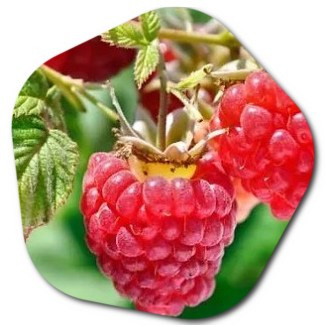
Names of wild fruits we can eat that grow in forests
Here are some names of wild fruits that are safe to eat and commonly found in forests:
- Blackberries
- Raspberries
- Blueberries
- Strawberries
- Elderberries
- Mulberries
- Wild cherries
- Wild plums
- Huckleberries
- Serviceberries
- Gooseberries
- Juneberries
- Crabapples
- Hackberries
- Wild grapes

These fruits are often found growing naturally in forested areas and can be foraged and enjoyed as a tasty and nutritious treat. However, it’s important to have proper knowledge and identification skills when foraging for wild fruits to ensure you are consuming the correct and safe species. If you are uncertain about a particular fruit, it’s best to consult with local experts or field guides before consuming it. Popular edible wild fruits that grow in the forest >>
What are red forest fruits?
Red forest fruits refer to the variety of fruits that are predominantly red in color and grow in forested areas. Here are some examples of red forest fruits:
- Red Raspberries: Red raspberries are a popular type of berry that grow in forests. They have a sweet and tangy flavor.
- Red Currants: Red currants are small berries that grow in clusters on bushes. They have a tart taste and are often used in jams, jellies, and desserts.
- Strawberries: Wild strawberries can be found in forested areas and have a sweet and juicy flavor. They are smaller than cultivated strawberries but are equally delicious.
- Red Mulberries: Mulberry trees can produce red mulberries that are sweet and succulent. They are often enjoyed fresh or used in jams and pies.
- Wild Cherries: Some varieties of wild cherries have a vibrant red color, such as the tart cherries or sour cherries. They are smaller than cultivated sweet cherries and are often used in baking and preserves.
- Cranberries: Although cranberries are commonly associated with wetland areas, certain species can also be found growing in forested regions. They are known for their tart flavor and are often used in juices, sauces, and desserts.
- Rose Hips: Rose hips are the fruit of wild roses and can be red or orange in color. They are rich in vitamin C and are commonly used to make herbal teas, syrups, and jams.
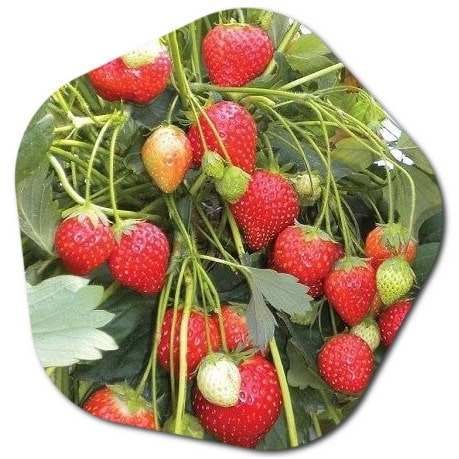
These red forest fruits are not only visually appealing but also offer a range of flavors and nutritional benefits. However, it’s important to note that the availability of these fruits may vary depending on the specific geographical region and climate.
The benefits of edible wild berries in the forest
Edible wild berries found in forests offer numerous benefits, both in terms of nutrition and overall well-being. Here are some of the benefits of consuming these berries:
- Rich in Antioxidants: Wild berries are often packed with antioxidants, which help protect the body against harmful free radicals. Antioxidants can support overall health, reduce inflammation, and help prevent chronic diseases.
- High in Vitamins and Minerals: Wild berries are a natural source of various vitamins and minerals. They are particularly rich in vitamin C, which supports the immune system, aids in collagen production, and acts as an antioxidant. They also contain vitamins A, E, and K, as well as minerals like potassium and manganese.
- Fiber-Rich: Wild berries are typically high in dietary fiber. Fiber is essential for healthy digestion, promotes feelings of fullness, and helps regulate blood sugar levels. Consuming fiber-rich foods can also support heart health and maintain healthy cholesterol levels.
- Low in Calories: Most wild berries are low in calories and fat while providing a burst of natural sweetness. They can be a satisfying snack option for those watching their calorie intake or looking for healthier alternatives to processed sweets.
- Source of Phytochemicals: Wild berries contain various phytochemicals, which are natural compounds that contribute to their vibrant colors and distinctive flavors. These phytochemicals have been associated with numerous health benefits, including anti-inflammatory and anti-cancer properties.
- Natural Hydration: Wild berries, such as raspberries and strawberries, have high water content, making them hydrating and refreshing. Consuming berries during hot weather or engaging in physical activity can help replenish fluids in the body.
- Mental Well-being: Foraging for wild berries in the forest can have mental health benefits. Spending time in nature, engaging in physical activity, and connecting with the environment can promote relaxation, reduce stress, and improve overall well-being.
It’s important to note that while wild berries are generally safe to eat, proper identification is crucial to avoid consuming toxic or poisonous berries. If you are not familiar with specific types of berries, it’s recommended to consult local experts or field guides before consuming them. Non-poisonous forest fruits >>