
What is a daisy that starts with C? A daisy-like flower that starts with the letter “C” is the Chrysanthemum. Chrysanthemums are beautiful flowering plants known for their colorful and daisy-like blooms. They belong to the Asteraceae family and are native to Asia and northeastern Europe. Chrysanthemums come in a wide variety of colors, including white, yellow, pink, red, and purple. They have a prominent central disk surrounded by petals that can be either single or double, depending on the cultivar. Chrysanthemums are popular garden flowers and are also commonly used as cut flowers in floral arrangements. They are known for their longevity and are often associated with autumn due to their late-season blooming.
Which plants start with C?
There are numerous plant names that start with the letter “C.” Here are some examples:
- Cactus
- Carnation
- Chrysanthemum
- Crocus
- Cyclamen
- Camellia
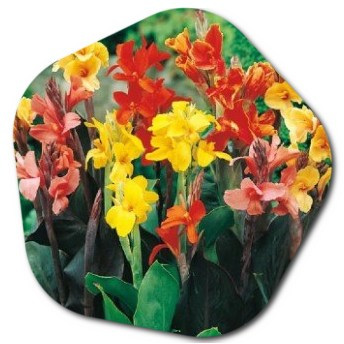
- Canna Lily
- Calendula
- Coreopsis
- Coleus
These are just a few examples, and there are many more plant species and genera that begin with the letter “C.” Each plant has its own unique characteristics and growing requirements.
What is a blue flower that starts with C?
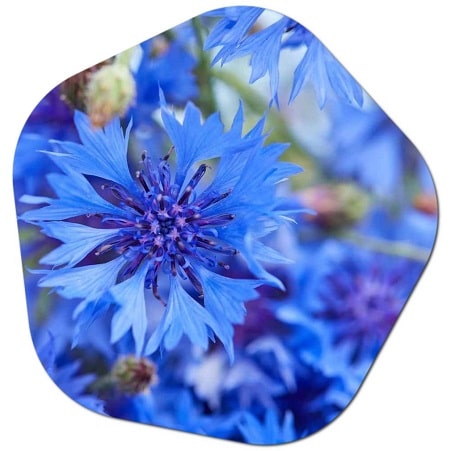
One blue flower that starts with the letter “C” is the Cornflower (Centaurea cyanus). Cornflowers are charming annual flowers known for their vibrant blue blooms. They belong to the Asteraceae family and are native to Europe. The flowers of the Cornflower have a distinctive, intense blue color, although there are also varieties available in shades of pink, white, and purple. The flowers are characterized by their spiky, fringed petals surrounding a dark center. Cornflowers are popular in cottage gardens and wildflower meadows, and they also make lovely cut flowers for floral arrangements. Their striking blue color adds a touch of beauty and cheerfulness to any garden or bouquet.
What climbing plant starts with C?
One climbing plant that starts with the letter “C” is Clematis. Clematis is a genus of flowering vines in the Ranunculaceae family. These climbing plants are known for their beautiful and abundant blooms. Clematis vines can grow vertically by clinging to support structures such as trellises, fences, or walls.
Clematis plants produce flowers in a wide range of colors, including white, pink, purple, blue, and red. The flowers come in various shapes and sizes, depending on the cultivar. They often have showy petals and attractive centers.
Clematis vines are popular choices for adding vertical interest and color to gardens and landscapes. They require proper support and prefer well-draining soil with consistent moisture. Pruning is often necessary to maintain their growth and promote healthy blooming.
Some popular Clematis varieties include Clematis ‘Nelly Moser,’ Clematis ‘Jackmanii,’ and Clematis ‘Henryi.’ What are the names of plants beginning with the letter C? >>