
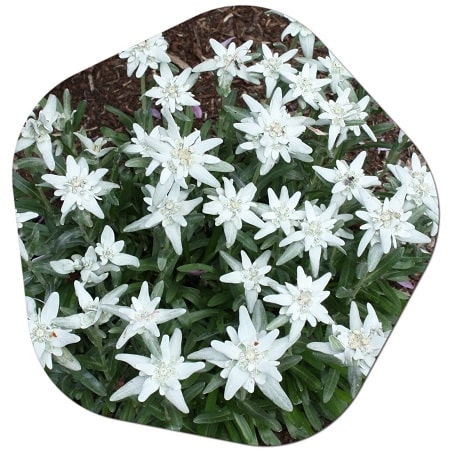
The edelweiss (Leontopodium alpinum) is one of the most popular and iconic flowers in Switzerland. It is a small, white flower with fuzzy petals and is known for its resilience in high-altitude alpine environments. The edelweiss has become a symbol of the Swiss Alps and is often associated with the country’s natural beauty and mountaineering traditions.
In addition to the edelweiss, other popular flowers in Switzerland include the Swiss national flower, the Alpine rose (Rhododendron ferrugineum), which is a pink flower found in the Swiss Alps. Swiss gardens also showcase a wide variety of flowers such as tulips, daffodils, roses, and various alpine flowers, which are cherished for their beauty and cultural significance.
Which flowers grow the most in Switzerland?
Switzerland has a diverse range of flowers that thrive in its various climates and landscapes. Some of the flowers that are commonly found and grow well in Switzerland include:
- Edelweiss (Leontopodium alpinum): The iconic Swiss flower, known for its white, star-shaped appearance and fuzzy texture. It is often associated with the alpine regions of Switzerland.
- Alpine Rose (Rhododendron ferrugineum): The national flower of Switzerland, the Alpine rose is a pink flower that grows in the high-altitude regions of the Swiss Alps.
- Gentian (Gentiana): Several species of gentian are native to Switzerland. These vibrant blue or yellow flowers are found in alpine meadows and are highly prized for their beauty.
- Forget-Me-Not (Myosotis): The forget-me-not is a delicate blue flower commonly found in Switzerland. It is often associated with remembrance and is a popular choice for gardens and floral displays.
- Pansy (Viola tricolor): Pansies are a favorite among Swiss gardeners for their vibrant colors and hardiness. They are often planted in gardens and window boxes, adding a splash of color.
- Carnation (Dianthus caryophyllus): Carnations are widely grown in Switzerland for their lovely fragrance and long-lasting blooms. They come in various colors and are popular choices for cut flowers and garden beds.
- Geranium (Pelargonium): Geraniums are commonly seen in Swiss gardens and balconies. They are valued for their vibrant flowers, versatility, and ability to thrive in different climates.
- Sunflower (Helianthus annuus): Sunflowers are grown in Switzerland for their impressive size and bright, sunny blooms. They add a cheerful touch to gardens and fields during the summer months.

These are just a few examples of the many flowers that grow in Switzerland. The country’s diverse climate and varied landscapes provide ideal conditions for a wide range of floral species to flourish.
What are the names of endemic flowers in Switzerland?
Switzerland is home to several endemic flowers, which are plant species that are native to and found exclusively in a specific region. Here are a few examples of endemic flowers in Switzerland:
- Swiss Primrose (Primula marginata): This endemic flower is found in the high alpine regions of Switzerland. It has bright pink or purple flowers and grows in rocky habitats.
- Swiss Buttercup (Ranunculus helveticus): This yellow-flowered plant is endemic to the Swiss Alps. It prefers wet meadows and alpine grasslands.
- Swiss Snowbell (Soldanella pusilla): This small, bell-shaped flower is endemic to the Swiss Alps. It grows in moist, rocky areas and is known for its blue-violet petals.
- Swiss Orchid (Dactylorhiza praetermissa subsp. praetermissa): This orchid species is endemic to the Swiss Jura Mountains. It has vibrant pink or purple flowers and is found in grasslands and meadows.
- Swiss Saxifrage (Saxifraga sempervivum): This perennial herb is endemic to the Swiss Alps. It has yellow or white flowers and is typically found in rocky alpine habitats.
These are just a few examples of the endemic flowers found in Switzerland. The country’s diverse ecosystems and alpine landscapes support a variety of unique plant species that have adapted to the local conditions over time. Discovering and appreciating these endemic flowers adds to the rich biodiversity and natural beauty of Switzerland.
What season to plant flowers in Switzerland?
The best season to plant flowers in Switzerland depends on the specific type of flowers you wish to plant and the region within Switzerland where you are located. Switzerland has a wide range of climates, from temperate lowlands to alpine regions, each with its own variations in weather and growing conditions. However, here are some general guidelines:
- Spring (March to May): Spring is a popular time to plant flowers in Switzerland, especially in the lowland and midland regions. Once the winter frost has passed and the soil starts to warm up, you can begin planting cool-season flowers like pansies, primroses, daffodils, and tulips. Spring is also a suitable time for sowing seeds of annual flowers.
- Summer (June to August): Summer in Switzerland brings warmer temperatures, making it an ideal time for planting warm-season flowers like marigolds, petunias, zinnias, and geraniums. These flowers thrive in the summer heat and add vibrant colors to gardens and containers. It is also a good time for transplanting any tender annuals or perennials.
- Autumn (September to November): Autumn is another favorable season for planting in Switzerland, especially for perennials. The soil is still warm from the summer, which helps with root establishment. It’s a good time to plant bulbs like crocuses, daffodils, and hyacinths for spring blooms. Autumn is also suitable for planting cool-season annuals and biennials such as pansies, snapdragons, and stock.
- Winter (December to February): Winter is generally not an ideal time for planting flowers in Switzerland due to the cold temperatures and frozen soil. However, you can still enjoy indoor gardening by growing houseplants or starting seeds indoors in preparation for the upcoming spring planting season.
It’s important to consider the specific climatic conditions of your region within Switzerland and the recommended planting times for the specific flower varieties you wish to grow. Consulting local gardening resources, nurseries, or experienced gardeners in your area can provide valuable guidance on the best times to plant flowers based on your location’s unique conditions. Can you tell me the best flowers grown in Switzerland? >