
What is the famous flower in Qatar? The national flower of Qatar is the Qataf (Arabian Jasmine), also known as Jasminum sambac. It is highly regarded for its fragrance and delicate white flowers. Qataf holds cultural significance in Qatar and is often associated with hospitality and tradition. It is commonly used in perfumes, traditional ceremonies, and decorations for special occasions. The Qataf flower symbolizes beauty, elegance, and purity in Qatari culture.
What are the popular flowers grown in Qatar?
In Qatar’s hot and arid climate, it is important to choose flowers that are well-suited to the local conditions. Here are some flowers that tend to thrive in Qatar’s climate:
- Bougainvillea: Bougainvillea is a popular choice in Qatar due to its vibrant colors and ability to tolerate heat and drought. It is a hardy flowering plant that requires minimal maintenance.
- Desert Rose (Adenium obesum): Desert Rose is a succulent shrub with beautiful, trumpet-shaped flowers. It is well-adapted to desert environments and can handle the extreme temperatures in Qatar.
- Portulaca: Portulaca, also known as Moss Rose, is a low-growing flowering plant that thrives in hot and dry conditions. It produces colorful, daisy-like flowers and is known for its tolerance to heat and drought.
- Gazania: Gazania is a sun-loving flower that can withstand high temperatures and sandy soil. It produces bright, daisy-like flowers in various shades of yellow, orange, and red.
- Vinca (Catharanthus roseus): Vinca is a hardy annual flower that can tolerate heat and drought. It has attractive, glossy foliage and produces colorful flowers in shades of pink, white, and purple.
- Zinnia: Zinnias are popular summer flowers that are well-suited to Qatar’s climate. They come in a variety of vibrant colors and are relatively easy to grow, requiring moderate water and full sun.
- Marigold: Marigolds are known for their tolerance to heat and dry conditions. They produce cheerful, yellow or orange flowers and can be a great addition to Qatar’s gardens.
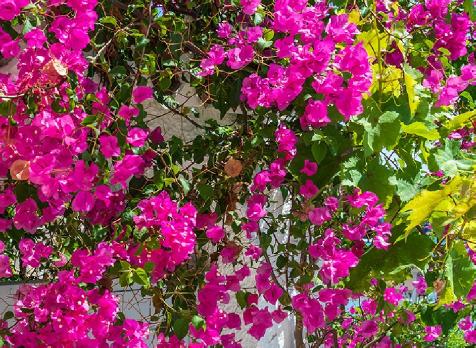
What types of flowers can be grown in Qatar?; When growing flowers in Qatar, it’s important to consider the extreme heat and limited water availability. Provide sufficient shade and use efficient watering techniques such as drip irrigation or watering in the early morning or late evening to reduce water loss through evaporation. Additionally, it’s beneficial to select local or desert-adapted varieties that are naturally better suited to the arid environment of Qatar.
Endemic flower species in Qatar
Qatar, being a desert country, does not have a wide range of endemic flower species. However, there are a few plant species that are native to the region and can be considered as endemic to Qatar or the Arabian Peninsula. Here are a couple of examples:
- Tribulus qatarensis: Also known as Qatar’s Caltrop, this plant species is endemic to Qatar. It is a low-growing herb with yellow flowers and spiny fruits. It is adapted to the harsh desert conditions and can be found in sandy areas.
- Panicum turgidum: This grass species, commonly known as Qatari Panic Grass, is native to Qatar and other parts of the Arabian Peninsula. It is a tough, drought-tolerant grass that is well-suited to the desert environment.
It’s worth noting that Qatar’s flora mainly consists of desert-adapted plants, such as succulents, shrubs, and grasses, rather than a wide variety of flowering plants. The extreme arid conditions and limited rainfall make it challenging for many flower species to survive.
Flower care in Qatar
Caring for flowers in Qatar requires special attention due to the hot and arid climate. Here are some tips to help you care for flowers effectively in Qatar:

Watering: Water your flowers appropriately, taking into account the water needs of each plant. It’s important to strike a balance between providing enough moisture and avoiding overwatering, which can lead to root rot. Water deeply but infrequently to encourage deep root growth. Consider using drip irrigation or soaker hoses to deliver water directly to the roots while minimizing evaporation.
Sun exposure: Most flowers in Qatar require full sun exposure to thrive. Ensure that your flowers receive at least 6 to 8 hours of direct sunlight each day. However, during the hottest part of the day, it can be beneficial to provide some shade or use shade cloths to protect delicate flowers from intense heat and potential sunburn.
Soil and drainage: Use well-draining soil that allows excess water to flow away from the roots. Sandy or loamy soil types are generally suitable. If the soil in your area is heavy or clayey, consider amending it with organic matter or perlite to improve drainage.
Mulching: Apply a layer of organic mulch around your flowers to help conserve moisture, suppress weed growth, and protect the soil from extreme temperatures. Mulch also helps to insulate the roots and reduce evaporation.
Fertilization: Use a balanced, slow-release fertilizer or organic compost to provide essential nutrients to your flowers. Follow the instructions on the fertilizer package for proper application. Avoid over-fertilizing, as it can lead to excessive growth or burn the plants.
Protection from wind and sand: Qatar is prone to strong winds and blowing sand, which can damage delicate flowers. Consider using windbreaks, such as fences or hedges, to protect your flowers. You can also cover young or fragile plants with breathable fabric to shield them from excessive wind and sand abrasion.
Pest and disease control: Monitor your flowers regularly for pests and diseases. Common issues in Qatar may include aphids, spider mites, and fungal diseases. Use organic or appropriate chemical controls if necessary, following the instructions carefully. Early detection and prompt treatment can help prevent the spread of pests and diseases.
Pruning and deadheading: Regularly prune your flowers to maintain their shape, remove dead or diseased parts, and encourage healthy growth. Deadhead spent flowers to promote continuous blooming and prevent the plant from expending energy on seed production.
Remember that different flower species may have specific care requirements, so it’s essential to research and understand the needs of the specific flowers you are growing in Qatar.