
What is the UAE-specific flower? The national flower of the United Arab Emirates (UAE) is the Arfaj (Calligonum comosum). This hardy desert shrub is native to the arid regions of the UAE and other parts of the Arabian Peninsula. It plays a significant role in desert ecosystems and is known for its adaptability to the harsh desert conditions.
The Arfaj is especially valued for its ability to stabilize sand dunes and prevent desertification, making it an essential plant for preserving the desert environment. While it may not have showy or colorful flowers, its resilience and vital ecological role have made it the national plant of the UAE, symbolizing the country’s connection to its desert landscape and its efforts to protect and sustain its fragile ecosystems.
The United Arab Emirates (UAE) is known for its arid desert climate, but despite the challenging conditions, a variety of plants and flowers can be found in the region. These plants have adapted to the desert environment and are often used in landscaping and horticulture. Some of the plants and flowers that grow in the UAE include:
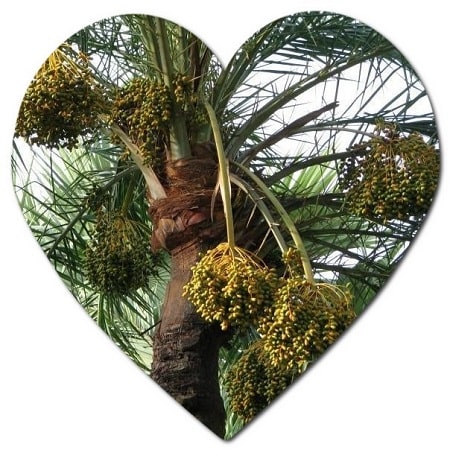
- Date Palm (Phoenix dactylifera): The date palm is one of the most iconic plants in the UAE and is of significant economic and cultural importance. It is cultivated for its sweet and nutritious dates.
- Ghaf Tree (Prosopis cineraria): The Ghaf tree is the national tree of the UAE and is well-adapted to desert conditions. It has small green leaves and produces yellow flowers.
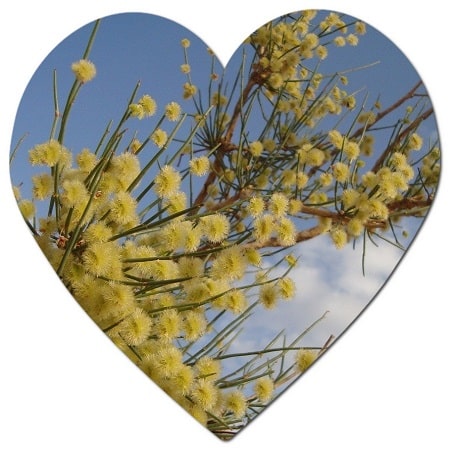
- Acacia (Acacia spp.): Several species of acacia are found in the UAE, with their distinctive, feathery leaves and yellow flowers.
- Salsola (Salsola spp.): Salsola plants are hardy desert shrubs that have adapted to arid conditions. They are known for their greenish-white stems.
- Arfaj (Calligonum comosum): Arfaj is a drought-resistant shrub that plays a crucial role in stabilizing sand dunes and preventing desertification.
- Desert Rose (Adenium obesum): This succulent plant features striking, trumpet-shaped flowers and is well-suited to desert environments.
- Rhanterium (Rhanterium spp.): These desert shrubs have tiny green leaves and produce small pink or white flowers.
- Zygophyllum (Zygophyllum spp.): These native desert shrubs are well-adapted to arid conditions and have small green leaves and yellow flowers.
- Cyperus (Cyperus spp.): Cyperus plants, including the local species “cyperus conglomeratus,” are commonly found in wetland areas.
- Arabian Jasmine (Jasminum sambac): Arabian Jasmine is known for its fragrant white flowers and is used in traditional perfumes.
- Aloe Vera (Aloe barbadensis miller): While primarily known for its medicinal properties, Aloe Vera is also a common succulent in the UAE and can occasionally produce yellow or orange blooms.
- Cistanche (Cistanche spp.): These desert plants produce distinctive yellow and purple flowers and are used in traditional herbal remedies.
These plants and flowers have adapted to the harsh desert environment of the UAE and play a vital role in the local ecosystem. Some are used for landscaping and ornamental purposes, while others have cultural, economic, and traditional significance.
What flowers grow in the UAE?
The United Arab Emirates (UAE) has a desert climate with extremely hot and arid conditions, which can be challenging for many plant species. However, with advanced irrigation and landscaping techniques, a variety of flowers and plants can be grown in the UAE, especially in urban and cultivated areas. Some of the flowers that you can find in the UAE include:
- Bougainvillea (Bougainvillea spp.): Bougainvillea is known for its vibrant bracts of pink, purple, or other colors and is commonly used for landscaping.
- Poinciana (Delonix regia): The Royal Poinciana, also known as the Flame Tree, features bright red or orange flowers and is a common sight in the UAE’s streets.
- Hibiscus (Hibiscus spp.): Hibiscus plants produce large, colorful flowers and are popular in gardens and parks.
- Desert Rose (Adenium obesum): The Desert Rose is a succulent plant that features attractive, trumpet-shaped flowers and is well-suited to the arid climate.
- Bulbine (Bulbine frutescens): Bulbine is a succulent plant with yellow or orange flowers and is known for its resilience in desert gardens.
- African Marigold (Tagetes erecta): Marigolds are known for their bright orange and yellow flowers and are commonly grown in gardens and as bedding plants.
- Lantana (Lantana camara): Lantana is appreciated for its clusters of small, tubular flowers and is used in landscaping.
- Aloe Vera (Aloe barbadensis miller): Aloe Vera, primarily known for its medicinal properties, is also cultivated and occasionally produces yellow or orange blooms.
- Portulaca (Portulaca grandiflora): Portulaca is a drought-tolerant plant with colorful and ruffled flowers, making it suitable for the UAE’s climate.
- Petunias (Petunia spp.): Petunias are annuals known for their various colors and are used in hanging baskets and flower beds.
- Agapanthus (Agapanthus africanus): Agapanthus, or Lily of the Nile, is used in landscaping and displays globes of blue or white flowers.
These flowers are carefully selected for their adaptability to the desert climate and are commonly used in landscaping and horticulture in the UAE, where advanced irrigation and maintenance practices help them thrive.