
Milwaukee, Wisconsin, is located in the United States and falls within the USDA Hardiness Zone 5b. The region’s climate is characterized by cold winters and warm summers. Here are some native plants that are well-suited to the Milwaukee area:
- Black-eyed Susan (Rudbeckia hirta): This perennial flower produces bright yellow petals with dark centers and blooms from summer to fall.
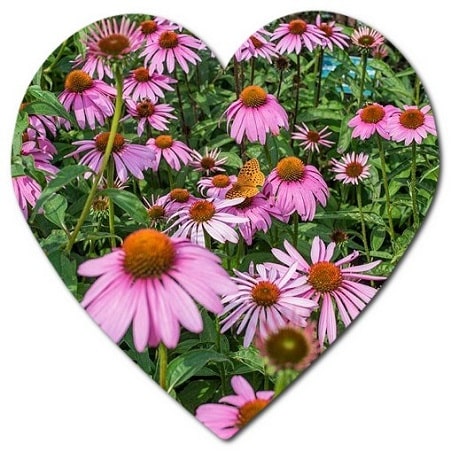
- Purple Coneflower (Echinacea purpurea): Another perennial, the purple coneflower has distinctive pink-purple petals and a cone-shaped center. It attracts pollinators and blooms from early summer to fall.
- Big Bluestem (Andropogon gerardii): This native grass is a tall, warm-season grass that forms clumps. It features attractive bluish-green foliage that turns reddish-brown in the fall.
- Prairie Dropseed (Sporobolus heterolepis): A clumping, warm-season grass, prairie dropseed has delicate, fine-textured foliage. It produces airy, fragrant seed heads in late summer.
- Wild Bergamot (Monarda fistulosa): Also known as bee balm, this perennial herbaceous plant produces clusters of lavender flowers. It attracts butterflies and bees and blooms from mid to late summer.
- Wild Columbine (Aquilegia canadensis): This woodland perennial features unique red and yellow flowers that attract hummingbirds. It blooms in spring and early summer.
- New England Aster (Symphyotrichum novae-angliae): A late-season bloomer, this perennial produces vibrant purple or pink flowers in fall. It is an excellent choice for attracting butterflies and other pollinators.
- Virginia Bluebells (Mertensia virginica): This woodland wildflower has clusters of bell-shaped, blue-purple flowers that emerge in spring. It thrives in shaded areas.
- Wild Geranium (Geranium maculatum): A woodland perennial, the wild geranium displays pink-purple flowers with deeply cut foliage. It blooms in late spring and early summer.
- Prairie Smoke (Geum triflorum): This unique plant has feathery seed heads that resemble smoke. It produces nodding, pinkish-red flowers in late spring and early summer.
These are just a few examples of native plants that thrive in the Milwaukee area. When selecting plants for your specific location, it’s always beneficial to consult with local nurseries or gardening experts to ensure the best choices for your garden or landscape.
What trees grow in Milwaukee?
Milwaukee, Wisconsin, offers a favorable environment for a variety of tree species. Here are some common trees that can be found in the Milwaukee area:
- Sugar Maple (Acer saccharum): The sugar maple is a majestic deciduous tree known for its vibrant fall foliage. It has distinctively shaped leaves and produces sweet sap, making it a popular choice for maple syrup production.
- Red Oak (Quercus rubra): Red oak is a large, long-lived deciduous tree with broad, lobed leaves. It provides shade and produces acorns, which are an important food source for wildlife.
- White Oak (Quercus alba): White oak is another large deciduous tree with rounded lobed leaves. It is highly valued for its durable wood and is also a food source for various wildlife species.
- American Elm (Ulmus americana): American elm is a tall, fast-growing deciduous tree with a vase-shaped canopy. It was once a dominant species in the area but was significantly impacted by Dutch elm disease. Disease-resistant cultivars are now available.
- Green Ash (Fraxinus pennsylvanica): Green ash is a medium to large deciduous tree with compound leaves. It tolerates a wide range of soil conditions and is commonly used as a street tree.
- Hackberry (Celtis occidentalis): Hackberry is a native deciduous tree that can withstand urban conditions. It has an irregularly shaped canopy and produces small, berry-like fruit that attracts birds.
- Ohio Buckeye (Aesculus glabra): Ohio buckeye is a small to medium-sized deciduous tree with distinctive palmate leaves. It produces showy yellow flowers in the spring and spiky fruits in the fall.
- Paper Birch (Betula papyrifera): Paper birch is a medium-sized deciduous tree with peeling white bark that adds visual interest. It prefers moist soil conditions and is commonly found near water bodies.
- Black Cherry (Prunus serotina): Black cherry is a medium-sized deciduous tree with glossy leaves and dark purple fruits. It provides food for wildlife and is also valued for its timber.
- Norway Spruce (Picea abies): Norway spruce is an evergreen conifer that can grow to be quite large. It has dark green needles and is often used as a specimen tree or for creating windbreaks.
What are the best plant species to grow in Milwaukee? These are just a few examples of tree species that can be found in Milwaukee, Wisconsin. The selection of trees for specific planting locations should consider factors such as soil type, sunlight exposure, space availability, and any local ordinances or regulations. Consulting with local arborists, horticulturists, or forestry experts can provide more tailored recommendations for the best tree choices in the area. Plants growing in Milwaukee >>