
Iceland’s harsh and unique climate limits the variety of plant species that can grow naturally on the island. Due to its high latitude and cool maritime climate, Iceland primarily features plants adapted to cold conditions. Here are some examples of plant species that grow naturally in Iceland:
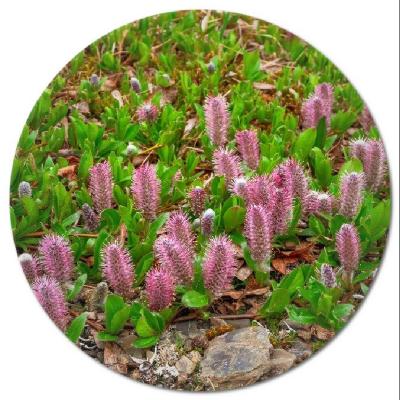
- Arctic Willow (Salix arctica): A small, low-growing shrub with silver-green leaves, the Arctic Willow is one of the most common native plants in Iceland. It is well-adapted to the cold and windy conditions, often found in rocky and barren areas.
- Arctic Poppy (Papaver nudicaule): The Arctic Poppy is a vibrant wildflower that grows in Iceland. It displays beautiful yellow, orange, or white flowers and can be seen in meadows and rocky slopes during the summer months.
- Mosses and Lichens: Due to the moist climate and volcanic landscapes, various mosses and lichens thrive in Iceland. These include species like Icelandic Moss (Cetraria islandica) and Reindeer Moss (Cladonia spp.), which cover large areas of the landscape.
- Dwarf Birch (Betula nana): The Dwarf Birch is a small shrub that grows in Iceland’s lowland areas. It has rounded leaves and provides important habitat and food for various bird species.
- Alchemilla spp. (Lady’s Mantle): Several species of Lady’s Mantle can be found in Iceland. They have distinctive lobed leaves and produce small, greenish-yellow flowers.
- Mountain Avens (Dryas spp.): Mountain Avens is a flowering plant that thrives in Iceland’s highland regions. It displays white, star-shaped flowers and hairy, silver-green leaves.
- Angelica (Angelica archangelica): Angelica is a tall plant with large, hollow stems and clusters of white or greenish-yellow flowers. It grows in damp areas, along riverbanks, and near geothermal springs.
These are just a few examples of the plant species that grow naturally in Iceland. The country’s unique environment and limited growing season contribute to its distinctive flora. It’s important to note that picking or damaging wild plants in Iceland is prohibited by law to preserve the fragile ecosystem.
What fruit can grow in Iceland?
The cool climate and short growing season in Iceland pose challenges for fruit production. However, with the help of greenhouses and favorable microclimates, it is possible to grow certain fruits in Iceland. Here are some fruits that can be cultivated in Iceland:
- Strawberries: Strawberries are one of the most commonly grown fruits in Iceland. They are typically cultivated in greenhouses to extend the growing season and protect them from the cold weather.
- Raspberries: Raspberries can be successfully grown in Iceland, especially in sheltered areas or in greenhouses. They require well-draining soil, ample sunlight, and protection from wind.
- Blackberries: Blackberries can be grown in Iceland with proper care and attention. Similar to raspberries, they prefer sheltered locations and benefit from greenhouse cultivation.
- Blueberries: Blueberries are well-suited to Iceland’s cool climate. They thrive in acidic soil and can be cultivated in both open fields and greenhouses.
- Currants: Both red and black currants can be grown in Iceland. They are hardy and can withstand the challenging weather conditions. They are often used in jams, jellies, and desserts.
- Apples: Growing apple trees in Iceland is possible in certain regions with milder microclimates. Apple varieties that are adapted to colder climates, such as “Laxfoss,” “Viking,” or “Norðlendingur,” have been developed specifically for Icelandic conditions.
- Sea Buckthorn: Sea buckthorn is a hardy shrub that can produce small, orange berries rich in vitamins and antioxidants. It can tolerate Iceland’s harsh climate and is grown in some areas for its nutritional value.

It’s important to note that due to Iceland’s climate limitations, fruit production may be limited in scale and yield compared to countries with more favorable growing conditions. Greenhouse cultivation and careful selection of varieties suited to the local climate are key factors in successful fruit production in Iceland.
What are the agricultural products grown in Iceland?
Agriculture in Iceland is challenging due to its cold climate, limited arable land, and short growing season. However, there are some agricultural products that are cultivated in the country. Here are some examples:
Grass and Forage Crops: Grass is a primary agricultural product in Iceland. It is grown for grazing livestock, particularly sheep and dairy cattle. Forage crops such as clover and alfalfa are also cultivated to provide additional feed for livestock during winter.
Potatoes: Potatoes are one of the main root crops grown in Iceland. They are typically planted in late spring and harvested in autumn. Icelandic varieties, such as “Alvöru” and “Dís,” have been developed for better adaptation to the local conditions.
Carrots: Carrots are grown in Iceland, usually in polytunnels or greenhouses. These protected environments help extend the growing season and provide suitable conditions for carrot cultivation.
Cabbage: Cabbage is a common vegetable grown in Iceland. It is often cultivated in greenhouses to protect it from the cold weather and to ensure a successful harvest.
Turnips and Rutabagas: Turnips and rutabagas are root crops that can withstand the Icelandic climate. They are grown for both human consumption and livestock feed.
Barley: Barley is a cereal crop that is cultivated in Iceland for animal feed. It is one of the few grains that can be grown successfully in the country.
Berries: Despite the challenges, some berries are grown in Iceland. These include strawberries, raspberries, and blueberries, often cultivated in greenhouses or sheltered areas to provide optimal growing conditions.
Herbs: Various herbs such as thyme, mint, and parsley are cultivated in Iceland for culinary purposes. They are often grown in greenhouses or small-scale gardens.
Lamb and Dairy Products: Livestock farming, particularly sheep farming, is a significant part of Icelandic agriculture. Sheep are raised for meat and wool, and dairy farming is also practiced to a lesser extent for the production of milk, cheese, and other dairy products.
What are the best plants to grow in Iceland? It’s important to note that Iceland’s agricultural industry is relatively small and focuses mainly on meeting local demand rather than large-scale export. The country heavily relies on imports for many food products that cannot be grown or produced domestically.
What is Iceland’s national flower?
Iceland does not have an official national flower. However, the Alaskan lupine (Lupinus nootkatensis) is often considered a symbol of Iceland’s natural beauty and is widely associated with the country. The Alaskan lupine is a tall, herbaceous plant with spiky clusters of purple, blue, or pink flowers. It was introduced to Iceland in the early 20th century for land reclamation and has since spread across the country, adorning many landscapes, particularly in the summertime. While not officially designated as the national flower, the Alaskan lupine has become an iconic and recognizable plant in Iceland.