
What vitamins do red beets contain? Betaine, which gives beets their red color, is a powerful antioxidant. It contains vitamins A, B6, B12, C, E, and K. Beetroot also contains many minerals, such as phosphate and potassium, and may help protect against cancer.
Red beet, known as Beta vulgaris, is a root vegetable. Grown in many countries, beet is valued not only for its health benefits but also as a natural coloring pigment in the manufacturing industry. Due to its rich content of active compounds, beet is a common part of the staple diet in many cultures.
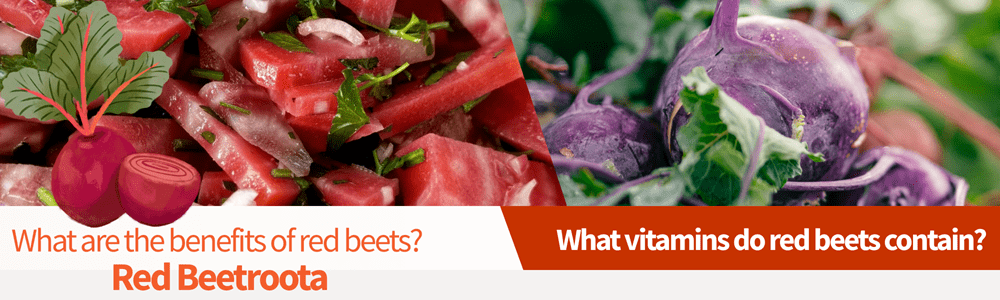
Some people consume beet raw, while it can also be enjoyed in salads and soups. Regular consumption of beet may help reduce inflammation in the body and prevent iron-deficiency anemia.
Nutritional Value of Red Beet
Red beet is packed with a wide range of essential vitamins and minerals that support overall health. Low in calories yet rich in nutrients, beetroot provides many of the vitamins and minerals the body needs daily. In 100 grams of boiled beetroot, the following nutritional values can be found:
- Calories: 44
- Protein: 1.7 g
- Fat: 0.2 g
- Carbohydrates: 10 g
- Fiber: 2 g
- Folate: 20% of the Daily Value (DV)
- Manganese: 14% DV
- Copper: 8% DV
- Potassium: 7% DV
- Magnesium: 6% DV
- Vitamin C: 4% DV
- Vitamin B6: 4% DV
- Iron: 4% DV
Red beet is particularly rich in folate, a vital nutrient that plays a significant role in growth and development. Its high manganese content also supports bone formation, heart health, and the proper functioning of brain activity, making beetroot a powerful addition to a healthy diet.
Red beet is a low-calorie, low-fat vegetable that is exceptionally rich in vitamins and minerals. It is an important source of folate, manganese, and copper. Thanks to its strong nutrient profile, red beet supports brain, heart, and digestive health. It also has anti-inflammatory properties that may help reduce inflammation and contains compounds that can slow the growth of cancer cells.
The main benefits of red beet include:
Red beet helps regulate blood pressure and supports healthy circulation.
Its natural carbohydrates can enhance athletic performance and increase energy levels.
It contributes to better brain function and overall cognitive health.
Its high fiber content supports weight loss and helps you feel full for longer.
The iron in beetroot helps prevent anemia and supports healthy blood production.
Its anti-inflammatory effects may help reduce inflammation throughout the body.
Red beet promotes digestive health and protects the intestines by supporting a balanced gut environment.
How to Consume Red Beet?
Red beet can be enjoyed in many different ways. It can be eaten raw in salads, steamed, or blended into a nutritious drink. Before consuming beetroot, its thin outer skin should be peeled.
There are several common ways to include red beet in your diet:
Red beet can be peeled, sliced, and added to salads to be eaten raw. You can also slice the beet and mix it with salt, black pepper, lemon juice, and spices to create a healthy snack.
Beetroot can be cooked whole or sliced by roasting or steaming.
Pickled beet, prepared with vinegar, is low in fat, high in fiber, and an excellent source of carbohydrates and minerals.
You can also blend red beet to prepare a refreshing and nutrient-rich beverage.
Beet greens can be used as a garnish or added to salads. The leaves are rich in potassium, copper, magnesium, and vitamins A, K, and C. They support overall health and may help reduce the risk of chronic diseases.
Side Effects of Red Beet
Although red beet is highly nutritious, consuming it in excessive amounts may lead to certain side effects. The possible side effects of red beet include:
Red beet may cause urine to turn pink. While this is not harmful, it can sometimes indicate low iron levels.
Because beetroot contains oxalates, excessive intake may contribute to the formation of kidney and bladder stones.
Some individuals may experience allergic reactions such as redness, hives, itching, or even chills after consuming red beet.
Due to its blood pressure–lowering effect, people who take blood pressure medications should consult their doctor before consuming large amounts of beetroot.
Pregnant women may be sensitive to nitrates, so they should avoid consuming high amounts of nitrate-rich red beet.
Overconsumption of red beet may also cause digestive issues such as indigestion, stomach discomfort, loose stools, or gas due to its high fiber content.
Can You Eat Red Beet Every Day?
If a person is healthy and has no underlying medical conditions, eating red beet daily is generally not a problem. However, individuals with chronic health issues should be cautious about their consumption. In such cases, it is important to consult a healthcare professional to determine whether daily beet intake is safe and suitable for their condition.